What Time of Day Actually Works Best for Exercising With Arthritis?
Quick Answer: For most people with arthritis, mid-to-late morning (after gentle stiffness has eased but before fatigue sets in) tends to work best — starting with 5-10 minutes of very gentle movement immediately on waking helps reduce the stiffness that makes early exercise feel hardest.
You’d exercise more consistently if mornings didn’t feel like wading through wet cement for the first hour. The good news: timing your movement around your body’s actual stiffness pattern, rather than an arbitrary schedule, makes a real difference.

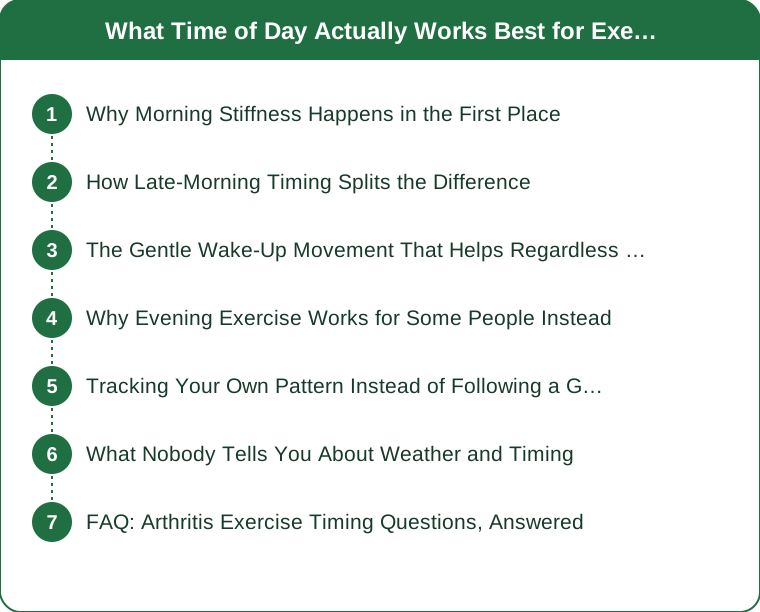
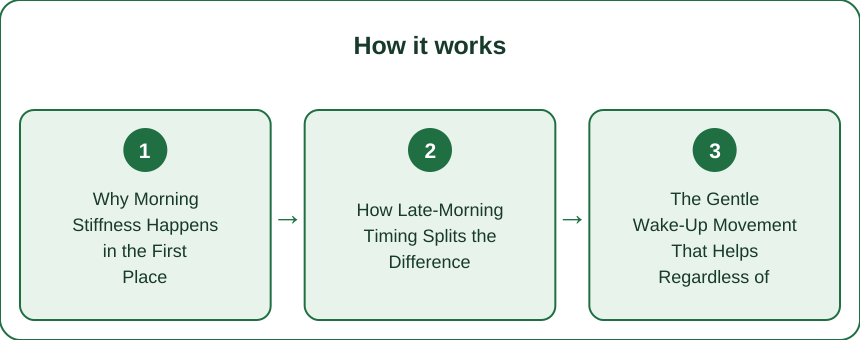
Why Morning Stiffness Happens in the First Place
During sleep, reduced movement lets inflammatory fluid accumulate around joints, and the drop in cortisol overnight (cortisol has some natural anti-inflammatory effect during the day) also contributes to peak stiffness right after waking. This is a physiological pattern, not a sign that exercise will always feel this hard.
How Late-Morning Timing Splits the Difference
By mid-to-late morning, natural movement from your normal routine (getting up, moving around the house) has usually already reduced some of the peak stiffness, while fatigue from a full day of activity hasn’t yet built up — this window often has the best balance of joint readiness and available energy for many people with arthritis.
The Gentle Wake-Up Movement That Helps Regardless of Timing
Even if your main workout happens later, 5-10 minutes of very gentle range-of-motion movement immediately upon waking (ankle circles, gentle knee bends, shoulder rolls, all in bed or seated) helps reduce the stiffness that otherwise makes the first hour of the day feel disproportionately hard.

Why Evening Exercise Works for Some People Instead
Some people with arthritis find their joints feel most mobile in the evening, after a full day of gradual movement has worked through stiffness — for this group, evening exercise (as long as it doesn’t disrupt sleep) can be just as effective as the general morning-friendly guidance, since individual patterns vary.
Tracking Your Own Pattern Instead of Following a Generic Rule
Rate stiffness and pain on a simple 1-10 scale at three points — right after waking, mid-morning, and evening — for one week. This personal data usually reveals your actual best window more reliably than general advice, since arthritis stiffness patterns genuinely vary by individual and by arthritis type.
What Nobody Tells You About Weather and Timing
Cold, damp weather can shift your stiffness pattern later into the day compared to warm weather, meaning your ‘best’ exercise window may need to shift seasonally rather than staying fixed year-round. Many people find their arthritis-friendly exercise window in winter is later in the day than in summer.
FAQ: Arthritis Exercise Timing Questions, Answered
Should I skip exercise entirely on a bad stiffness day?
No — very gentle range-of-motion movement (not necessarily your full routine) is usually still beneficial even on stiff days, and skipping entirely can make the next day’s stiffness worse.
Does exercising right after waking make stiffness worse?
It can feel harder in the moment, but gentle movement (not intense exercise) at any time generally helps rather than harms — the concern is more about comfort and consistency than actual joint damage risk.
How long before a consistent timing routine shows benefit?
Most people notice reduced morning stiffness and easier movement within 3-4 weeks of consistent daily gentle movement, regardless of which specific time window they choose.
TL;DR:
- Morning stiffness comes from overnight inflammatory fluid buildup and lower cortisol — it’s physiological, not a sign exercise will always be hard
- Mid-to-late morning often balances reduced stiffness against not-yet-built fatigue best
- Gentle wake-up movement (5-10 minutes) helps regardless of when your main workout happens
- Track your own stiffness pattern for a week rather than assuming a generic rule fits you
This is general information, not medical advice — work with your doctor or physical therapist to tailor timing and exercise choice to your specific arthritis type and joints involved.
Keep Reading
This article is for general informational purposes only and is not medical advice. Always consult a qualified health professional for guidance specific to you.